weebly analytics
Nov 22, 2011
admin
Comments Off

Preparing Your Fireplace Prior to Winter

With Winter around the corner, now is probably a good time to get that fireplace in shape for this season of sitting by the fire with a good book, spouse or significant other.
Even with our mild winters here in the Dallas Fort Worth area, the Chimney Safety Institute recommends that homeowners who light fires in their fireplaces three or more times a week during the heating season should have their chimneys inspected and cleaned once a year.
If unseasoned wood is burned in the fireplace, twice-a-year cleaning and inspection may be necessary, because unseasoned wood usually burns at a lower temperature than seasoned wood, causing more smoke and therefore more creosote.
Some people assume that because they don’t have fires continuously during the winter, they don’t have to worry too much about creosote buildup. This may be far from the truth. The colder the flue, the greater the condensation, so creosote buildup is the greatest at the beginning of a fire, in the time before the flue has fully heated up.
Fall is the perfect time to start prepping your fireplace for winter. Whether it’s wood-burning, gas or electric, on top of having a professional chimney sweep come out, here are inspecting and cleaning tips to get your fireplace in shape before the winter temperatures hit.
Cleaning a Wood Burning Fireplace
A wood-burning fireplace is by far the dirtiest fireplace there is. With the comfort and coziness of real wood burning comes soot, smoke, dirt, dust, debris — even critters! Plus, it also requires constant maintenance throughout the winter — removing ashes and adding new wood.
Here’s how to prepare and clean your wood-burning fireplace:
1. Give the exterior and interior a good once-over. Take note of any damage and missing or broken parts. Look outside at the exterior of your chimney. Any cracks will need to be repaired.
2. Check the flu for leaves, birds nests and other critters. Shine a flashlight up the chimney via a mirror. If you see anything odd, call a chimney sweep.
3. Assess how much cleaning is needed. If you have layers of ash that are one or more inches thick, you’re in for a dirty job. Cleaning a wood-burning fireplace is a messy task, so old clothing and rubber gloves are necessary. Place a protective drop cloth in front of the fireplace to protect your floors and carpeting from soot. Also, make sure to grab a shovel if your ash bed is high.
4. Remove the layers of ash and debris using a vacuum cleaner (or shovel if necessary). Put it all into a trash bag and place aside.
5. Scrub the fireplace. Using a scrub brush and a bucket full of soapy water, scrub the inside walls and floor of the fireplace. You can also use a mixture of trisodium phosphate (TSP) and water. TSP is a harsh chemical so it should only be used for ultra-dirty jobs. Be sure to wear extra protective gloves and eye protection when handling TSP.
Tip: Don’t scrub too hard on older brick. Doing this might cause it to crumble.
7. Clean fireplace accessories. Screens, fireplace tools and log beds also get dirty and need to be cleaned. You can clean glass screens with a household glass cleaner. Mesh screens can be vacuumed. Tools can be cleaned inside or outdoors; give them a once-over with the scrub brush and soapy water, then spray them off with a hose. If you clean the tools inside, rinse each tool with water in your utility sink or using the spray nozzle in your kitchen sink.
8. Clean your fireplace hearth with a duster or damp rag.
Cleaning a Gas Fireplace
Similar to the way a gas stove generates heat, a gas fireplace consists of an insert (which usually looks like a set of wood logs) and a pilot light that taps into your gas line. If this is the first time you’re using the fireplace since last winter, or the fireplace does not light after a few attempts, you may need to check to make sure the pilot light is lit. If not, light the pilot light.
Take these steps to clean and prepare your gas fireplace for winter:
1. Make sure the gas valve is turned off. Next, check again just to be sure.
2. Inspect for damage. Check the logs, lines, valves and other burner equipment to make sure there isn’t any damage, such as rust, flaking, or cracked or chipped logs.
3. Remove the gas log insert and dust it with a dry rag. You can also vacuum (using the crevice tool) it if there are nooks and crannies that you can’t reach with a rag. Another idea is to use a soft paint brush to brush away the dirt. Be gentle cleaning the insert, as the logs are usually fragile.
4. Use a vacuum to clean inside the fireplace, removing any dirt or spider webs that might have collected over the seasons. Place the insert carefully back inside the firebox.
5. Clean both sides of the glass with a window cleaner and then wipe the exterior with a damp cloth or a duster.
6. Take a look at the vents. If your gas fireplace is vented, use a flashlight to check (the vents are located at the top of the unit) and make sure there are no blockages. This is especially important because if there is something blocking the gas from escaping, dangerous carbon monoxide fumes could enter your home.
7. Test your fireplace to make sure that it is working properly. Turn the gas back on and light the pilot light. If the pilot light is out or the fireplace is not working properly, call a technician.
Cleaning an Electric Fireplace
Electric fireplaces are very easy to clean and maintain, which makes them appealing to homeowners. There’s no need to worry about logs or soot because freestanding electric fireplaces and electric fireplace inserts do not have actual flames. They run strictly on electricity, plugging right into your electrical outlet.
Take the following steps to prepare your electric fireplace for winter:
1. Check the electrical components (any wires or plugs) to ensure that they’re in good working order. If anything seems worn or frayed, consult a professional to replace or repair the damage.
2. Dust the interior and remove any debris that could become a fire hazard. Use a vacuum cleaner if necessary. Unused fireplaces get dusty just like every other surface in your home. If your fireplace has brass accents, clean those with soap and water or something acidic like a vinegar-and-salt mixture (you can even try mild Tabasco or Worcestershire sauce). Clean both sides of the glass enclosure with a glass cleaner of your choice, and dust electrical components gently.
3. Plug the fireplace in and test it to make sure that it is working properly. If not, investigate the problem by plugging another electrical item into the same outlet. If there is no power to that device, this might be an electrical issue and you’ll need to consult with an electrician.
Now, all you have to do is wait for the cold weather so you can curl up by the fire with a cup of hot chocolate!

Comments are closed.

Popular Articles

  • What Our Kids Wanted in a Bedroom

    Kids Enjoy Decorating Their Own Bedrooms

    Our kids are busy, smart, and clever. They have well-formed opinions for youngsters, and they firmly know exactly what they like and what they do not like. Unfortunately, that makes for some particularly vocal, opinionated kids. When we moved into our new home, we decided to let our clever, opinionated kids share their ideas on how their new bedrooms should be decorated. Any other decision would have spelled disaster.

    Your Kids Might Surprise You with Their Sense of Style

    Our nine-year-old son loves sports. He eats, drinks, and dreams football. His soccer cleats are always on his feet; he even tried to wear them to church on Easter Sunday.… Read the rest

  • DIY Family Command Center

    If you find the constant scheduling of tasks or general chaos in your household is too much to handle, then perhaps investing in a family command center is good idea. There are many versions of a family command center and each one is specifically designed to fit different household and family needs. The best thing about creating a family command center is that it is a great DIY project, so it won’t end up costing a fortune to get your family’s duties back on track.

    How to Create a Family Command Center

    Materials & Location

    The general materials you will need to create a simple family command center are:

    • Bulletin/dry erase/chalk board
    • Nails/screws
    • Hammer/electric drill
    • Measuring tape
    • Writing utensils (markers or chalk)

    Depending on the complexity of your creativity skills or budget, you can also add decorative measures, such as ribbons, bows or picture frames of each family member, but feel free to be as basic as possible.… Read the rest

  • Top 5 Reasons to Get a Building Inspection Before Buying a Home

    One of the most important things you should do before purchasing a home is to have it checked out by a professional. They will be able to investigate your potential home for termites, mold, water damage and a host of other problems. These building inspections could save you from making one of the biggest financial blunders in your life. The following are the top five reasons it’s a good investment to have a building inspected before you decide to purchase it.

    1. It Allows You Peace of Mind

    A home inspection will help you better understand the condition that your potential home is in and if there are any defects.… Read the rest

  • Carbon Monoxide Poisoning-Is Your Family Safe?

    If you have fuel burning appliances in your home, you owe it to your family to have CO detectors installed. Carbon monoxide detectors are great devices to use when fuel-burning appliances are used in the home. They can be very useful for keeping watch on the CO levels in the home.
    Carbon monoxide (CO) can be a sneaky killer, it’s colorless, odorless, poisonous gas that forms from incomplete combustion of fuels, such as natural or liquefied petroleum gas, oil, wood or coal.
    • 170 people on average in the United States die every year from CO produced by non-automotive consumer products.… Read the rest

  • Is Yout A/C Duct Leaking

    FORT WORTH DALLAS HOME INSPECTOR ON LEAKING A/C DUCTS.
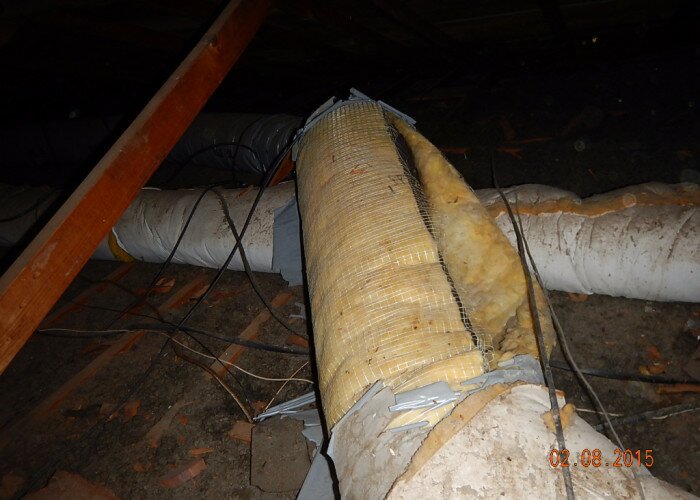
    CENTRAL HEATING AND COOLING SYSTEMS USE AN AIR DISTRIBUTION OR DUCT SYSTEM TO CIRCULATE HEATED AND/OR COOLED AIR TO ALL THE CONDITIONED ROOMS IN A HOUSE. EVEN WHEN PROPERLY DESIGNED, DUCT SYSTEMS MUST BE INSTALLED CORRECTLY TO BE EFFICIENT, MAINTAIN UNIFORM TEMPERATURES THROUGHOUT THE HOUSE, OPERATE QUIETLY, AND NOT ADVERSELY IMPACT COMFORT OR INDOOR AIR QUALITY

    AT LEAHY’S INSPECTIONS WE LOOK THE SYSTEM OVER AND IF THE DUCT WORK IS BAD AND LEAKING, I MAKE THE RECOMMENDATION TO REPAIR OR REPLACE IT.
    MAKE SURE DUCTS ARE PROPERLY SEALED AND INSULATED IN ALL NON-AIR-CONDITIONED SPACES RUNNING FROM OUR AIR CONDITIONERS AND HEATING SYSTEMS.… Read the rest

  • Cleaning and Maintaining Your Jetted Tub

    I recently performed my routine maintenance on the jacuzzi tub we have in the master bath. I thought I would share some of the tips I’ve picked up during my home inspection career. I’m always seeking to better my knowledge on questions that may come up during one of my home inspections.
    All whirlpool bathtubs have a small amount of residual water left in the pipeline. Minerals in water begin a process of calcifying around the insides of your pipes. This hard scale build up not only restricts water flow, but becomes a perfect breading ground for infectious bacteria. As the algae breaks off, you will see it in your bath water as ugly black flecks.… Read the rest

  • Draining a Water Heater

    Very few homeowners realize the need to drain a few gallons of water from your water heater twice a year. Regardless of the type of water heater you have, gas or electric, water heaters can develop a build up of sediment at the bottom of the tank. This build up can cause the water heater to operate inefficiently, shortening the life span of the appliance. Prior to draining water from your tank, you need to understand the proper way and safety concerns of performing this task. It is very important that when you are doing this maintenance to your water heater, you make sure the appliance is turned off and that you protect yourself from a potential burn.… Read the rest

  • The Entrepreneurs Guide To Using Your Garden To Become Rich

    Everyone seems to be struggling for money these days. Maybe it has something to do with being in the middle of the worst financial disaster of our time. If you’re entrepreneurially minded you could change all that if you have a garden. It doesn’t matter how small the garden, though bigger would be better. There are lots of ways you could turn your garden into a money making machine.

    Now you won’t need to worry about next months credit card bill. You won’t be spending next summer at home if you can afford to get away somewhere beautiful. All because you dared to be different.… Read the rest

  • Homeowner Tips on Saving Energy

    Being a Fort Worth and Dallas area home inspector has taught me some simple methods homeowners can perform to help reduce your energy bills.
    Homeowners can easily conduct a simple home energy audit for themselves to find and repair obvious issues. With a simple walk-through, you can spot many problems within the house.
    Locating Air Leaks
    It’s possible to save 5% to 30% per year in energy savings from reducing drafts in a home, and the home is generally much more comfortable afterward. Homeowners can check for indoor air leaks, such as gaps along the baseboard or edge of the flooring, and at junctures of the walls and ceiling.… Read the rest

  • Storing Your Lawn Equipment for the Winter

    How many people actually maintain their lawn equipment and store them properly before the winter season hits. In this article, I will show you how to perform some common routine maintenance on your gas powered mowers, weed trimmers and spreaders to insure they will operate properly for next spring.
    Mowers
    Fill the gas tank on your mower just enough to complete the last mowing. Afterwards, run the mower until it runs out of gas. If gasoline is left in the tank all winter, it turns stale and collects water droplets from condensation. If to much gas is in the tank to run out, you can drain it or worst case, purchase some fuel stabilizer from your local auto parts store and add the recommended amount to your tank.… Read the rest