

The Advantages Of A Canopy
Perhaps one of the most practical ways to add a bit of character to the home is through the addition of a canopy. These decorative accents are available in a number of styles and can be fitted over doors, windows, patios and many more. Not only do they look good, but they also have a number of practical purposes as they can offer protection to you and your home in a number of circumstances. Here are a few reasons your home could benefit from a canopy
Aesthetics
No matter what the style of your home is, you should be able to find a canopy to suit. There are a number of canopies designed with certain homes in mind, such as Regent, Victorian and Tudor, and colours and materials can be changed to reflect the existing décor and style of any home. This way, you can complement or contrast the colours on the walls and fittings however you like. As they are likely to be placed in locations where they are highly visible to all, it’s worth putting a lot of thought into the design scheme.
Shelter
Canopies can be a common feature over patios and balconies, particularly in hotter climates. They can offer great protection to both people and the home when the sun is extremely overpowering. The benefits to humans are obvious, as everyone needs a bit of shade on those blistering sunny days.
It’s the benefits to the home that many people tend to ignore when it comes to canopies. If your home has French or patio windows, then the chances are that your room will be exposed to excessive sunlight on sunny days. There’s nothing worse than being sat at the computer or watching TV, and having to constantly mess about with the curtains or change positions to avoid the glare on the screen. A canopy can help prevent excessive light and heat affecting the comfort of a room. Also, too many rays can cause furniture to fade, especially wooden pieces, so limited rays can also help preserve your furniture.
Bad Weather
Whilst they are extremely beneficial in hot climates, they can also offer good protection against other extreme weather conditions such as rain and snow. These can have just as damaging an effect on the home as the sun, and a canopy can help you maintain them in peak condition for as long as possible.
It’s not just the home that can benefit though. I’m sure everyone has been outside the home at one point desperately scrambling around looking for their keys, all whilst getting drenched by the pouring rain. A canopy allows you to dig through your pockets safe in the knowledge that you won’t be getting soaked, even if you have to turn your pockets inside out.
Solar Power for the Home
Although it seems quite expensive initially, when it comes to providing electricity for your household, solar power is the best way to go long-term wise. If you want to save money on your electricity bill or live a greener lifestyle, then you should consider solar power for the home.
Advantages
The initial cost of solar panels is very hefty, often costing a homeowner tens of thousands of dollars. However, once you get solar panels, the cost of your electricity bill will go down or you may not have to pay anything for electricity at all.
Basically, solar panels are a one-time cost while you’ll need to pay electricity bills every single month for the rest of your life. There has been a huge surge is solar power for homes across American and Australia in particular. Meanwhile, the cost of electricity increases by around 5 percent each year. The monthly bills you pay each month for electricity will eventually surpass the one-time cost of solar panels.
Also, adding solar panels to your home will increase its value. That means that you will be able to sell your home faster and for much more than if the home didn’t have solar panels.
Disadvantages
Everything has disadvantages, and solar panels are no exception. The biggest con of solar panels is the initial cost. Some people understandably cannot afford to dump tens of thousands of dollars on solar power system, no matter how good of an investment it is.
Although you will save money in the long run, it may take years or even decades before your savings due to the solar power system surpasses the initial cost of the solar panels.
With solar panels, you will probably have very little space on your roof for anything else, and you may have to cut down trees, remove chimneys, and other tall structures in order to improve the efficiency of the solar panels.
Cost
The cost of a home solar power system depends on how much electricity you plan to use, and how big your home is. Obviously, if you don’t use up much electricity on a daily basis, then you will be able to get a solar panel that is cheaper and smaller than usual.
Solar panels prices are coming down, but they are over the thousand dollar mark. You can get help financing solar panels by taking advantage of government rebates. With the help of thse rebates, you may be able to save up to 50 percent on the initially cost.
As you can see, you should consider many things before you purchase a home solar power system, as that is a very huge investment. Before you install solar panels for your home, think about the pros, cons, and the overall cost of the system.
Top 5 Reasons to Move to Renewable Energy
With advancements in renewable energy technology, many people are starting to be turned on to its potential. If you’re thinking about going to renewable energy, here are five reasons that you may want to go ahead and make the move to this type of energy.
1. Saving Money
One of the reasons that you may want to make the switch to the renewable energy is to save money. In today’s market, regular forms of energy are getting much more expensive by the day. The way things are going, you may end up paying quite a bit more for electricity from the electric company than you would from a renewable source of energy like solar panels.
2. Do Your Part for the Environment
If you are concerned about the condition of the environment, switching to renewable energy will allow you to do your part in a big way. Instead of relying on fossil fuels and coal for your energy, you can rely on sources that are readily available. If more people would switch over to renewable resources, it would potentially help the environment quite a bit.
3. Reduce Dependence
Another reason that you may want to get involved with renewable sources of energy is so that you can reduce your dependence on the outside world. Many people do not like the idea of being tethered to a grid to get their power. If something goes wrong, they may not be able to continue getting power. When you use renewable energy, you can still get power even if the grid goes down.
4. Tax Credits
The government has made it easier for people to get on board with renewable energy sources for their homes and businesses. There are a number of tax incentives and credits that are available for homeowners to switch over to renewable energy. For example, you may be able to get a solar power rebate for purchasing a system for your house. This will help you offset the costs of the initial purchase of the system and shorten the payback period of your system.
5. Make Money
In some cases, you can actually make money by switching over to renewable energy sources. If you are still connected to the grid and you are making more energy than you are taking from it, the electric company can actually pay you for the electricity that you produce. This could be a way to generate some passive income month after month. This doesn’t work for everyone, but a select few are reaping some major benefits.
Antique Furniture Pieces: Undying Old World Treasures
One of the hottest trends in 21sthome decorating and design is the combination of antique furniture with modern and contemporary interiors. Antique furniture has always been around in flea markets, museums, and in privately owned shops, but recently, more and more ordinary people have preferred to incorporate the ageless appeal of every piece of it into their very own home. Antiques are a wonderful way to add depth and dimension to any part of the house. The superior craftsmanship behind each piece is just an icing on the cake.
Worth Every Dime You Pay For
Antique furniture pieces have earned a reputation of being ridiculously overpriced. While most of them are indeed expensive, they are sturdy and built to last. The real difference between contemporary and antique furniture is quality. Modern furniture, more often than not, is mass-marketed and made with subpar materials. Antiques, on the other hand, were made back during the time when craftsmanship was highly valued. With antiques, you can be sure that you are getting a piece of furniture that is not only rare but also delicately handmade, and painstakingly detailed. So if you think about it in terms of quality, you are sure to get what you pay for with buying antiques.
Own a Piece of History
While most antique dealers are in the business for profit, there are still many of them that choose to buy, refurbish, and sell antiques because they feel love and passion for these older pieces of furniture. Dedicated dealers will spend a lot of time and effort looking through online stores, yard sales, estate sales, auctions, and other furniture stores in search for their next treasure.
Antique dealers recognize that each antique piece has its own story, and that story justifies its price. A chandelier may have once hung in the home of a revolutionary leader. This carved granite countertop may have once been part of an Italian estate’s walkway. These stories just serve to add more personality to each piece. Just like people, antiques are made important by their rich and compelling history.
Create an Eclectic Blend of the Old and the New
Most 21st century homes are decorated in modern and contemporary styles. With their clean lines, neutral color palettes, and streamlined furniture, modern interiors rely mostly on simplicity to make a statement. In this case, adding a few antique pieces here and there is easy. A beautiful antique item transcends time and adds stark richness and depth to a mundane room.
Integrating an antique with modern furnishing is generally easy. The idea is to use and display your antique in a way where it can enhance its surroundings. One simple thing to do is to find a creative use for a common antique piece. Aged ceramics can make cute accessory holders; a century-old map can make a great poster; while an antique door can help accentuate a plain, white wall; and so on. The possibilities are definitely endless with antiques.
Maintaining the Timeless Charm
Since antique furniture items are apparently much older compared to contemporary furniture pieces, it goes without saying that an ordinary cleaning routine just won’t do. Antiques will benefit from a regular dusting. Household cleaners and furniture polishes that contain chemicals may cause some staining and weak spots. A mild soapy solution is usually enough to remove most grime on your antiques.
Antique furniture piecesdo not only beautify your home; because their value continues to appreciate, they can provide a sustainable nest egg the moment you decide to make money out of them. It’s no surprise why they are among the most highly sought-after treasures of the Old World.
Author Bio - Sunny Popali is Global Brand Manager for Mattress next day. The uk’s no 1 mattress brand and the best suppliers of bedframes and divans. Mattressnextday include well known names such as: Sealy mattress brand, Silentnight mattress, Sleepeezee, Dream Works, Serene, Sprungland, and Joseph International, just to name a few.
What Our Kids Wanted in a Bedroom
Kids Enjoy Decorating Their Own Bedrooms
Our kids are busy, smart, and clever. They have well-formed opinions for youngsters, and they firmly know exactly what they like and what they do not like. Unfortunately, that makes for some particularly vocal, opinionated kids. When we moved into our new home, we decided to let our clever, opinionated kids share their ideas on how their new bedrooms should be decorated. Any other decision would have spelled disaster.
Your Kids Might Surprise You with Their Sense of Style
Our nine-year-old son loves sports. He eats, drinks, and dreams football. His soccer cleats are always on his feet; he even tried to wear them to church on Easter Sunday. We didn’t let him. He’s the only member of our family who actually wishes that baseball season were longer. My husband and I automatically assumed that he would want a sports-themed bedroom. It’s a good thing we asked him because that’s not what he wanted at all. When we asked him, he actually told us that he wanted something “classic contemporary.” Really, he used those exact words. I think he’s been watching too much HGTV. I didn’t even know what “classic contemporary” meant at his age. To be honest, I’m still not sure.
Kids Are More Analytical Than You Think When It Comes to Choosing Furniture
On the other hand, we expected my 12-year-old daughter to ask for pink walls, pink carpets, pink ceilings, pink everything. She’s our little princess, our delicate ballerina. So, you know what she ended up asking for? Blue. She wanted a sky blue room to remind her of sunny spring days even in the deepest winter. In addition to choosing her own colour, she specifically wanted a full size bed, dressers with plenty of storage space, and a student desk so she could do her homework alone in her room without any distractions from her overly talkative parents, or so she claimed.
Helping Decorate Their Rooms Gives Kids a Sense of Pride
So, we let them pick out their own kids bedroom furniture, and I have to say that they did a great job. They decorated their bedrooms and had a hand in choosing everything from paint color to light fixtures. Now, they both feel a sense of pride and accomplishment. Plus, they love keeping their rooms clean because they helped plan and arrange everything. That gives them a feeling of responsibility that they never had before.
Kids Bedroom Furniture Can Still Be Classic
One thing I learned from my family’s little decorating experience is that kids bedroom furniture can still be classic. Depending on your selection, your child may be able to use the same furniture right through his or her teen years and right into adulthood. A quality bedroom set can be timeless. You can just change the room’s decor to suit your child’s changing tastes throughout the years and the quality furniture of your choice is available online on www.shop4furniture.net
Why I Wouldn’t Change a Thing If I Had to Do It Again
My children proved that they could make responsible, sensible choices when presented with the option to decorate their own bedrooms. Making those decisions appropriately has taught them the rewards associated with making clear-headed, thoughtful decisions. I feel confident that they will take the lessons they learned through this positive experience and use them throughout their lives.
Top 5 Reasons to Get a Building Inspection Before Buying a Home
One of the most important things you should do before purchasing a home is to have it checked out by a professional. They will be able to investigate your potential home for termites, mold, water damage and a host of other problems. These building inspections could save you from making one of the biggest financial blunders in your life. The following are the top five reasons it’s a good investment to have a building inspected before you decide to purchase it.
1. It Allows You Peace of Mind
A home inspection will help you better understand the condition that your potential home is in and if there are any defects. It can also provide information on the age and condition of the appliances, air conditioner, water heater and furnace. This could allow you to negotiate a better deal with the current owners and also help you figure on when these items would need to be replaced and the costs you will have to incur. If the home has too many deficiencies, you can decide to cancel the contract and find a more suitable and sound place to live.
2. Does Mold Exist
Mold is a hidden danger that could affect you and the health of your entire family. A home inspector will be able to enter your home and see if there are any signs that mold may exist in the dwelling and to what extent. If mold is present, you can decide if the amount is large enough to kill the sale or have it removed safely before you move in.
3. Pests
Termites, rats, mice and other pests can do destructive damage to a home. The house that you thought was the home of your dreams may look warm and inviting from the outside, but you never know what could lurk beneath the surface. A home inspector will be able to check for any signs that pests and vermin exist in the dwelling.
4. Structural and Safety Issues
Structural issues can be very costly to repair and without the professional eye of a home inspector, these problems could go undetected. They are also knowledgeable in areas of electricity and wiring and can tell if your home is safe or if it could pose a potential fire hazard.
5. Provide a Homeowner with a Wealth of Knowledge
Not only will building inspectors be able to tell you if your property is safe and sound, they can also give you handy tips on the proper maintenance and upkeep on your new home. They are knowledgeable about the mechanics of a home both inside and outside and can give you excellent tips on when you should get service on the air conditioning, how to change your furnace filters and when to get your fireplace cleaned and inspected.
Finding Your Modern Look With Window Treatments
You may be surprised at just how much your window treatments can affect the appearance of a home. Many people tend to see them simply as additions to the home that are only there to serve a practical purpose. This couldn’t be further from the truth as certain window treatments can help you achieve certain looks and effects in the home. One such example of this is the understated, subtle option of wooden venetian blinds, which can really play a big part in helping you give your home a modern appearance.
Colours
One of the very first things that people consider when it comes to any factor of interior design is colour, and venetian blinds are no exception to this rule. It’s worth thinking about how well the blinds will complement other colours in the room, such as those on the wall, floor, lights and other pieces of furniture and ornaments, such as lamps and any other decorative accent. You may also want to consider how well the colour will look when the outdoor light hits it. This will have an effect on both the blinds and the reflected light indoors, so it’s worth bearing in mind.
Art Attack
If you have a specific colour in mind but can’t find it in the shops, then the best option for you might be to buy a set of plain white blinds and paint them in your desired colour. There are a number of different techniques you can use to do this, and if you’re just using one colour then sponging the paint on may be the best option for you. Using a small paintbrush is probably wise if you’re wishing to paint individual slats different colours. If you’re feeling extremely creative, then why not close the blinds and paint a picture on them. This way, when you close the blinds you’ll have a real unique piece of décor staring straight back at you.
Materials
Venetian blinds are available in a wide variety of materials, and the most popular tend to be plastic, wood and metal. The wooden and metal options definitely give a room the more modern, contemporary look that many people desire and can probably complement more existing items and design schemes that are already in the room. Many people go for a wooden floor in this day and age, and both these options work well with hardwood flooring. Metal blinds in particular go well with an “art deco” scheme too.
Other Décor
It’s worth thinking about the other aspects of your interior design, not just the blinds. Progressive lighting and wall art such as canvas prints can really help enhance a room. Again, these can easily be incorporated into a room with the blinds and other design elements to create the perfect, modern room.
Be green save money and feel warmer inside and out
Ok, being green isn’t always fun, it can be an inconvenience; and so can trying to save money. Unfortunately both of these things need doing and now is the time to start.
Fortunately, the two items often go together quite nicely, sooo if you feel like you should be saving more, and you would like to help the environment too, try these tips and kill 2 birds with one stone, so to speak.
Be Cooler With Your Heating
Learn to be smarter with your heating. Turning down your thermostat is the easiest way to start, but also consider turning radiators down or off in rooms you rarely use, and shut the doors to keep the heat in.
Moving your thermostat into the room you use most will also help to have a more consistent temperature, so that you can slash your heating bills but still stay toasty and warm.
Get New Windows And Doors
If you need new windows or doors, don’t put it off – upgrading can add money to the value of your home, so in many ways they pay for themselves anyway. Additionally though, you will of course save heat.
Look for leaks in window frames and around doors too – even around your garage door and front door. If you can reseal these gaps, or add some extra insulation you can very cheaply lower your heating costs.
Run Your Water Colder
When you turn on just the hot faucet, does the water burn you or is it just right? Chances are you have to mix it with the cold to get it just right?
If you do this you are paying to heat the water hotter than you need it, and then cooling it down again; it makes little sense. Turn down you water temperature and you will barely notice the difference.
Use The Sun
Even on cold days the sun offers a powerful way to gain heat. Try to get into the habit of opening the curtains in the morning and allowing the sun to heat your house throughout the day – then close them as soon as the sun goes down to retain the heat. It’s simple, but very effective.
Summary
Saving money and being green shouldn’t be too onerous, personally I like to keep my house nice and warm and cosy – but I also like to save money. By doing all of the above I can have the best of both worlds!
Low Income Home Energy Assistance Program
10 Easy Ways to Save Energy in Your Home
Most people don’t know how easy it is to make their homes run on less energy, and here at Leahy’s Inspections, we want to change that. Drastic reductions in heating, cooling and electricity costs can be accomplished through very simple changes, most of which homeowners can do themselves. Of course, for homeowners who want their homes to take advantage of the most up-to-date knowledge and systems in home energy-efficiency, Home inspector energy auditors can perform in-depth testing to find the best energy solutions for your particular home.
Why make your home more energy efficient? Here are a few good reasons:
Federal, state, utility and local jurisdictions’ financial incentives, such as tax breaks, are very advantageous in most parts of the U.S.
It saves money. It costs less to power a home that has been converted to be more energy-efficient.
It increases indoor comfort levels.
It reduces our impact on climate change. Many scientists now believe that excessive energy consumption contributes significantly to global warming.
It reduces pollution. Conventional power production introduces pollutants that find their way into the air, soil and water supplies.
1. Find better ways to heat and cool your house.
As much as half of the energy used in homes goes toward heating and cooling. The following are a few ways that energy bills can be reduced through adjustments to the heating and cooling systems:
Install a ceiling fan. Ceiling fans can be used in place of air conditioners, which require a large amount of energy.
Periodically replace air filters in air conditioners and heaters.
Set thermostats to an appropriate temperature. Specifically, they should be turned down at night and when no one is home. In most homes, about 2% of the heating bill will be saved for each degree that the thermostat is lowered for at least eight hours each day. Turning down the thermostat from 75° F to 70°F, for example, saves about 10% on heating costs.
Install a programmable thermostat. A programmable thermostat saves money by allowing heating and cooling appliances to be automatically turned down during times that no one is home and at night. Programmable thermostats contain no mercury and, in some climate zones, can save up to $150 per year in energy costs.
Install a wood stove or a pellet stove. These are more efficient sources of heat than furnaces.
At night, curtains drawn over windows will better insulate the room.
2. Install a tankless water heater.
Demand water heaters (tankless or instantaneous) provide hot water only as it is needed. They don’t produce the standby energy losses associated with storage water heaters, which will save on energy costs. Demand water heaters heat water directly without the use of a storage tank. Therefore, they avoid the standby heat losses required by traditional storage water heaters. When a hot water tap is turned on, cold water travels through a pipe into the unit. Either a gas burner or an electric element heats the water. As a result, demand water heaters deliver a constant supply of hot water. You don’t need to wait for a storage tank to fill up with enough hot water.
3. Replace incandescent lights.
The average household dedicates 11% of its energy budget to lighting. Traditional incandescent lights convert approximately only 10% of the energy they consume into light, while the rest becomes heat. The use of new lighting technologies, such as light-emitting diodes (LEDs) and compact fluorescent lamps (CFL), can reduce energy use required by lighting by 50% to 75%. Advances in lighting controls offer further energy savings by reducing the amount of time lights are on but not being used. Here are some facts about CFLs and LEDs:
CFLs use 75% less energy and last about 10 times longer than traditional incandescent bulbs.
LEDs last even longer than CFLs and consume less energy.
LEDs have no moving parts and, unlike CFLs, they contain no mercury.
4. Seal and insulate your home.
Sealing and insulating your home is one of the most cost-effective ways to make a home more comfortable and energy efficient -– and you can do it yourself. A tightly sealed home can improve comfort and indoor air quality while reducing utility bills. An home inspector energy auditor can be hired to assess envelope leakage and recommend fixes that will dramatically increase comfort and energy savings.
The following are some common places where leakage may occur:
electrical outlets;
mail slots;
around pipes and wires;
wall- or window-mounted air conditioners;
attic hatches;
fireplace dampers;
weatherstripping around doors;
baseboards;
window frames; and
switch plates.
Because hot air rises, air leaks are most likely to occur in the attic. Homeowners can perform a variety of repairs and maintenance to their attics that save them money on cooling and heating, such as:
Plug the large holes. Locations in the attic where leakage is most likely to be the greatest are where walls meet the attic floor, behind and under attic knee walls, and in dropped-ceiling areas.
Seal the small holes. You can easily do this by looking for areas where the insulation is darkened. Darkened insulation is a result of dusty interior air being filtered by insulation before leaking through small holes in the building envelope. In cold weather, you may see frosty areas in the insulation caused by warm, moist air condensing and then freezing as it hits the cold attic air. In warmer weather, you’ll find water staining in these same areas. Use expanding foam or caulk to seal the openings around plumbing vent pipes and electrical wires. Cover the areas with insulation after the caulk is dry.
Seal up the attic access panel with weatherstripping. You can cut a piece of fiberglass or rigid foam board insulation the same size as the attic hatch and glue it to the back of the attic access panel. If you have pull-down attic stairs or an attic door, these should be sealed in a similar manner.
5. Install efficient shower heads and toilets.
The following systems can be installed to conserve water usage in homes:
low-flow shower heads. They are available in different flow rates, and some have a pause button which shuts off the water while the bather lathers up;
low-flow toilets. Toilets consume 30% to 40% of the total water used in homes, making them the biggest water users. Replacing an older 3.5-gallon toilet with a modern, low-flow 1.6-gallon toilet can reduce usage an average of two gallons-per-flush (GPF), saving 12,000 gallons of water per year. Low-flow toilets usually have “1.6 GPF” marked on the bowl behind the seat or inside the tank;
vacuum-assist toilets. These types of toilets have a vacuum chamber which uses a siphon action to suck air from the trap beneath the bowl, allowing it to quickly fill with water to clear waste. Vacuum toilets are relatively quiet; and
dual-flush toilets. Dual-flush toilets have been used in Europe and Australia for years, and are now gaining in popularity in the U.S. Dual-flush toilets let you choose between a 1-gallon (or less) flush for liquid waste, and a 1.6-gallon flush for solid waste. Dual-flush 1.6-GPF toilets reduce water consumption by an additional 30%.
6. Use appliances and electronics responsibly.
Appliances and electronics account for about 20% of household energy bills in a typical U.S. home. The following are tips that will reduce the required energy of electronics and appliances:
Refrigerators and freezers should not be located near the stove, dishwasher or heat vents, or exposed to direct sunlight. Exposure to warm areas will force them to use more energy to remain cool.
Computers should be shut off when not in use. If unattended computers must be left on, their monitors should be shut off. According to some studies, computers account for approximately 3% of all energy consumption in the United States.
Use efficient “Energy Star”-rated appliances and electronics. These devices, approved by the DOE and the EPA’s Energy Star Program, include TVs, home theater systems, DVD players, CD players, receivers, speakers and more. According to the EPA, if just 10% of homes used energy-efficient appliances, it would reduce carbon emissions by the equivalent of 1.7 million acres of trees.
Chargers, such as those for laptops and cell phones, consume energy when they are plugged in. When they are not connected to electronics, chargers should be unplugged.
Laptop computers consume considerably less electricity than desktop computers.
7. Install daylighting as an alternative to electrical lighting.
Daylighting is the practice of using natural light to illuminate the home’s interior. It can be achieved using the following approaches:
skylights. It’s important that they be double-pane or they may not be cost-effective. Flashing skylights correctly is key to avoiding leaks;
lightshelves. Light shelves are passive devices designed to bounce light deep into a building. They may be interior or exterior. Light shelves can introduce light into a space up to 2½ times the distance from the floor to the top of the window, and advanced light shelves may introduce four times that amount;
clerestory windows. Clerestory windows are short, wide windows set high on the wall. Protected from the summer sun by the roof overhang, they allow winter sun to shine through for natural lighting and warmth; and
light tubes. Light tubes use a special lens designed to amplify low-level light and reduce light intensity from the midday sun. Sunlight is channeled through a tube coated with a highly reflective material, then enters the living space through a diffuser designed to distribute light evenly.
8. Insulate windows and doors.
About one-third of the home’s total heat loss usually occurs through windows and doors. The following are ways to reduce energy lost through windows and doors:
Seal all window edges and cracks with rope caulk. This is the cheapest and simplest option.
Windows can be weatherstripped with a special lining that is inserted between the window and the frame. For doors, weatherstrip around the whole perimeter to ensure a tight seal when closed. Install quality door sweeps on the bottom of the doors, if they aren’t already in place.
Install storm windows at windows with only single panes. A removable glass frame can be installed over an existing window.
If existing windows have rotted or damaged wood, cracked glass, missing putty, poorly fitting sashes, or locks that don’t work, they should be repaired or replaced.
9. Cook smart.
An enormous amount of energy is wasted while cooking. The following recommendations and statistics illustrate less wasteful ways of cooking:
Convection ovens are more efficient that conventional ovens. They use fans to force hot air to circulate more evenly, thereby allowing food to be cooked at a lower temperature. Convection ovens use approximately 20% less electricity than conventional ovens.
Microwave ovens consume approximately 80% less energy than conventional ovens.
Pans should be placed on the correctly-sized heating element or flame.
Lids make food heat more quickly than pans that do not have lids.
Pressure cookers reduce cooking time dramatically.
When using conventional ovens, food should be placed on the top rack. The top rack is hotter and will cook food faster.
10. Change the way you wash your clothes.
Do not use the “half load” setting on your washer. Wait until you have a full load of clothes, as the “half load” setting saves less than half of the water and energy.
Avoid using high-temperature settings when clothes are not that dirty. Water that is 140 degrees uses far more energy than 103 degrees for a “warm” setting, but 140 degrees isn’t that much better for washing purposes.
Clean the lint trap before you use the dryer, every time. Not only is excess lint a fire hazard, but it will prolong the amount of time required for your clothes to dry.
If possible, air-dry your clothes on lines and racks.
Spin-dry or wring clothes out before putting them into a dryer.
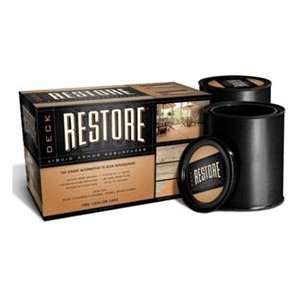
Deck Restoration
While a deck can add style and a comforting place to entertain, it is far from a maintenance free addition. The proper maintenance is necessary to protect the life and appearance of your deck.
It is a common misconception that pressure treated wood, which is the wood most often used for decks, requires little maintenance. The pressure treating process involves the injection of chromated copper arsenate into the wood cells. Copper acts as a fungicide, while arsenic is an insecticide. While these chemicals protect against insects and fungus, they leave the surface vulnerable to the effects of rain and sun. Even redwood and cedar, two other common woods used for decks, can be damaged by the elements.
One of the most common consequences of exposure to rain and sun is cracked wood. As water penetrates the wood cells, they expand. When the water evaporates, the wood cells begin to shrink. Repetitive expansion and contraction of the wood ultimately results in cracked boards.

Newly installed wood should be protected as soon as possible. It is not necessary to allow the wood to “weather” or “season”. Unprotected exposure to the elements, for even a few weeks, can result in damage to the wood.
Preventing water from penetrating the wood surface can greatly extend the life of the wood, as well as add to its attractiveness. There are many products on the market for protecting exterior wood surfaces. These range from paints and stains, to clear wood preservatives and water repellents.
As with any type of coating , proper preparation is essential. A clean, dry surface is necessary for proper adhesion. Proper preparation involves removing dirt, mildew, stains and wood fibers damaged by UV light. If these deposits are not removed prior to applying a finish, both adhesion and appearance of the finish may be diminished.
Many products are available for cleaning decks. Using a pressure washer to clean a wood deck is a huge mistake in my opinion. High pressure streams of water easily erode the soft light colored spring wood that is found in between the darker bands of summer wood on each piece of lumber. So much soft wood can be eroded by a pressure washer that sharp slivers of wood were left behind. If you use a pressure washer, make sure you use a very delicate end spray.
Most can be applied with a pump type sprayer or a mop. Most products on the market contain either sodium hypochlorite (chlorine bleach) or oxalic acid,
If you want to make a big mistake, then use chlorine bleach to clean your deck! In my opinion, it is the absolute worst ingredient to apply to a wood deck. Chlorine bleach, better identified on deck cleaning product labels as sodium hypochlorite, removes the natural color from your wood, it destroys the lignin or glue that holds together the wood deck fibers, is toxic to surrounding vegetation, and is corrosive to all metal fasteners and components that hold your deck together.

A far better wood deck cleaner is oxygen bleach .
This powdered product when mixed with water releases non-toxic oxygen ions that kill mildew and algae. In addition, the foaming oxygen bleach loosens grey weathered wood fibers and dirt from the deck surface. In the process, it does not remove natural wood color, nor does it hurt nails and joist hangers. Possibly one of oxygen bleach’s best attributes is that it will not harm plants, vegetation or you.
I have found that the best way to clean a wood deck is to mix the powdered oxygen bleach with warm water. Once the powder is dissolved, you liberally apply the solution to the wood surface. It immediately foams up as the oxygen ions attack the mildew, algae and dirt. I prefer to let the solution sit for 15 to 20 minutes. Using a scrub brush on a pole or a large push broom to gently scrub the surface to lift wood fibers and dirt.
To complete the cleaning process you simply use a regular garden hose to rinse away all the traces of dirt and grime.
The most effective protection for decks occurs when the product penetrates the surface. Film forming products, such as paints, lay on the surface of the wood and have a tendency to blister, peel, and mar when used on horizontal surfaces.
The three most common products for protecting decks are water repellents (also called water sealers), clear wood finishes, and semi-transparent stains. The first two products are generally clear, penetrating coatings. Semi-transparent stains work much like water repellents, but also contain pigments to import color to the wood surface.
When selecting a coating for wood surfaces, three things should be considered: water repellency, mildew resistance, and weathering resistance. Water repellency prevents moisture from penetrating the wood fibers and causing the expansion and contraction of those fibers. Mildew resistance will retard the growth of damaging mold spores. The higher quality products contain UV blockers, which not only extend the life of the coating, but also prevent UV damage to the wood fibers. UV damage usually causes a graying of wood fibers.
With proper care, your deck can be an attractive and valuable addition to your home for years. Choosing a contractor with the knowledge and skills to properly prepare the surface and apply the proper products is the first step in protecting the life and appearance of your deck. If you hire a contractor you might have just learned more then the contractor know themselves.
Popular Articles
-
Keeping Your Children Safe During Playtime
When I decided to become a home inspector, I got into a habit of inspecting things everywhere I went. I honestly cannot help myself anymore, it’s just what I do. Being a father and just loving kids in general, I started noticing things when I would go to playgrounds in the Arlington, Mansfield and Burleson areas with my own kids or with my nieces and nephews that worried me about their safety. I recently pulled some information from the CDC website I thought I would share to remind parents of how important it is to keep you children safe from serious injury.… Read the rest
-
Finding Your Modern Look With Window Treatments
You may be surprised at just how much your window treatments can affect the appearance of a home. Many people tend to see them simply as additions to the home that are only there to serve a practical purpose. This couldn’t be further from the truth as certain window treatments can help you achieve certain looks and effects in the home. One such example of this is the understated, subtle option of wooden venetian blinds, which can really play a big part in helping you give your home a modern appearance.
Colours
One of the very first things that people consider when it comes to any factor of interior design is colour, and venetian blinds are no exception to this rule.… Read the rest
-
Simple Understanding of Insulation
MOST HOMEOWNERS DON’T REALLY UNDERSTAND HOW IMPORTANT THE INSULATION IS NEEDED TO GIVE YOU COMFORT AND REDUCE THOSE ENERGY BILLS IN YOUR HOME. BELOW IS SOME SIMPLE INFO ON INSULATION.
HOW INSULATION WORKS
You need insulation in your home to provide resistance to heat flow. The more heat flow resistance your insulation provides, the lower your heating and cooling costs.
Heat flows naturally from a warmer to a cooler space. In the winter, this heat flow moves directly from all heated living spaces to adjacent unheated garages, basements, and even to the outdoors. Heat flow can also move indirectly through interior floors, walls and ceilings wherever there is a difference in temperature.… Read the rest -
The Entrepreneurs Guide To Using Your Garden To Become Rich
Everyone seems to be struggling for money these days. Maybe it has something to do with being in the middle of the worst financial disaster of our time. If you’re entrepreneurially minded you could change all that if you have a garden. It doesn’t matter how small the garden, though bigger would be better. There are lots of ways you could turn your garden into a money making machine.
Now you won’t need to worry about next months credit card bill. You won’t be spending next summer at home if you can afford to get away somewhere beautiful. All because you dared to be different.… Read the rest
-
Be green save money and feel warmer inside and out
Ok, being green isn’t always fun, it can be an inconvenience; and so can trying to save money. Unfortunately both of these things need doing and now is the time to start.
Fortunately, the two items often go together quite nicely, sooo if you feel like you should be saving more, and you would like to help the environment too, try these tips and kill 2 birds with one stone, so to speak.
Be Cooler With Your Heating
Learn to be smarter with your heating. Turning down your thermostat is the easiest way to start, but also consider turning radiators down or off in rooms you rarely use, and shut the doors to keep the heat in.… Read the rest
-
Preparing Your Fireplace Prior to Winter
With Winter around the corner, now is probably a good time to get that fireplace in shape for this season of sitting by the fire with a good book, spouse or significant other.
Even with our mild winters here in the Dallas Fort Worth area, the Chimney Safety Institute recommends that homeowners who light fires in their fireplaces three or more times a week during the heating season should have their chimneys inspected and cleaned once a year.
If unseasoned wood is burned in the fireplace, twice-a-year cleaning and inspection may be necessary, because unseasoned wood usually burns at a lower temperature than seasoned wood, causing more smoke and therefore more creosote.… Read the rest -
Low Income Home Energy Assistance Program
10 Easy Ways to Save Energy in Your Home
Most people don’t know how easy it is to make their homes run on less energy, and here at Leahy’s Inspections, we want to change that. Drastic reductions in heating, cooling and electricity costs can be accomplished through very simple changes, most of which homeowners can do themselves. Of course, for homeowners who want their homes to take advantage of the most up-to-date knowledge and systems in home energy-efficiency, Home inspector energy auditors can perform in-depth testing to find the best energy solutions for your particular home.
Why make your home more energy efficient?… Read the rest -
Cleaning Your Stainless Steel Appliances
Stainless steel has become very popular in many households these days. If you have this metal alloy that has become popular for sinks and appliances, you have a great surface that doesn’t corrode or rust easily. Stainless steel is easy to sanitize and clean. It actually isn’t stain-proof, it simply stains less than other steel. Chemical residues, dirty water, and even hard water can leave stains and spots on stainless steel. It can also be dented and scratched fairly easily. Manufacturers are now offering new types of finishes that diminish scratching and fingerprints.
Anyone with an appliance with a stainless steel finish, such as a dishwasher, refrigerator or oven, likes to see a streak-free surface.… Read the rest -
1. Check gutters for leafs and debris and clean out if needed
2. Low areas in the yard or next to foundation need to be filled in. Low areas (negative grade toward home) will cause water to pond and if not corrected could leave you with some unwanted foundation problems. All grading around house should drop 6 inches every 10 ft away from the home.
3. If you used your fireplace over the winter, good time to have the chimney swept and cleaned and be ready for next winter.
4. Look for exterior paint issues, cracking, buckling and etc. Look for areas that need caulking.… Read the rest -
Do you qualify for a disabled facilities grant?
Wouldn’t it be nice if the physically disabled could have accommodations to meet their needs right at home? Each room might reflect the design that provides adequate space, easy access, and storage for what is needed to maintain independence and a quality of life some people simply may take for granted.
Disabled Facilities Grants (DFG) benefit recipients regardless of age. For those who face the challenges of maintaining independence, Disabled Facilities Grants (DFG) are available. These grants address quality of life issues and focus on creating supportive home environments regardless of age. Through a DFG, a more active role at work, at school, and around town may be enjoyed.… Read the rest